
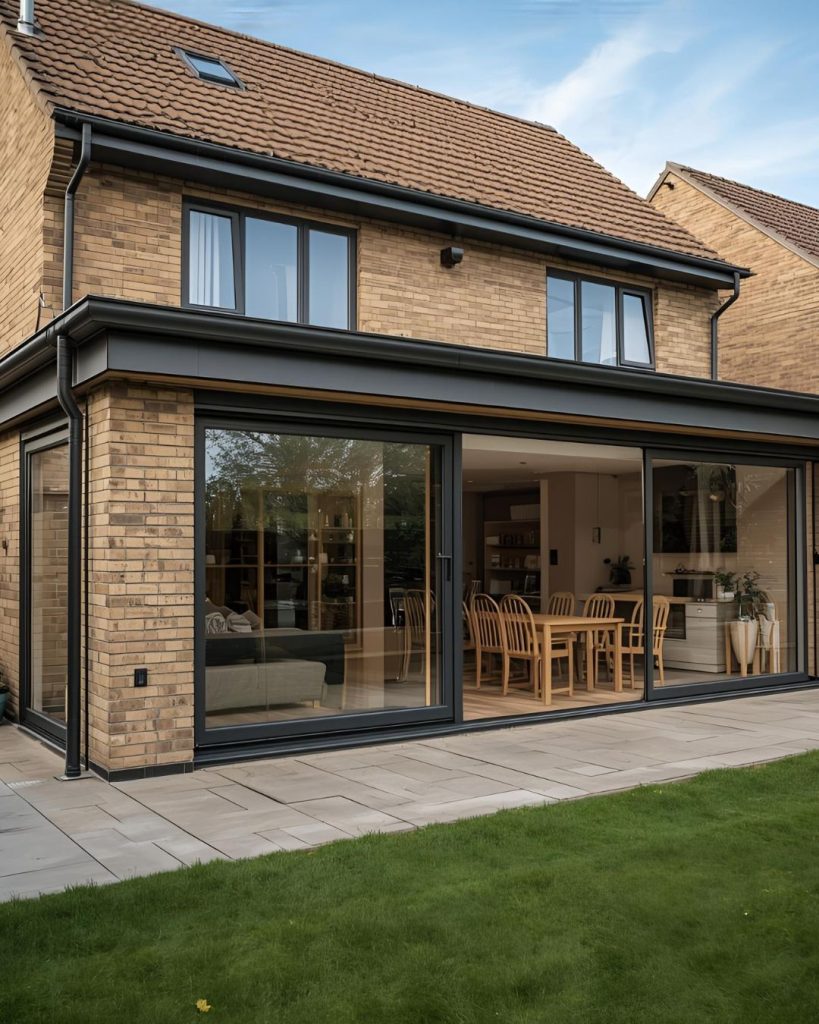
How Much Does a House Extension Cost in Dartford?
A single storey rear extension in Dartford typically costs between £15,000 and £35,000. A double storey extension runs £40,000 to £80,000 or more. Side returns and wrap-around extensions can reach £60,000 to £120,000 depending on size and complexity.
These figures vary based on your property type, location within Dartford, and site conditions. The clay and chalk subsoils common around Temple Hill and Wilmington can drive foundation costs higher. Conservation area properties in Dartford town centre face additional planning scrutiny and design restrictions.
What’s Included in Extension Quotes
A typical extension quote from us covers structural design, foundations, walls, roof, windows, doors, flooring, and basic electrical and plumbing rough-ins. It includes all building regulation inspections and completion certificates.
Extensions do not usually include fitted kitchens, bathrooms, or decoration. These are typically added as separate costs. Many homeowners in Crayford, Joydens Wood, and Bean use the extension build period to upgrade finishes separately, spreading costs over time.
Labour typically makes up 40 to 50 percent of extension costs. Materials, particularly timber and brickwork, account for another 30 to 40 percent. The remaining 10 to 20 percent covers site setup, waste disposal, and contingency.
Single Storey Extensions in Dartford
Single storey rear extensions are the most common choice for Dartford properties. Victorian and Edwardian terraces in the town centre, along with 1950s semis across West Hill and Princes Road, all work well with single storey additions.
A modest 4m by 3m rear extension typically costs £18,000 to £28,000 in Dartford. Larger 5m by 4m extensions range from £25,000 to £38,000. These costs assume standard brick, block, and timber frame construction with a pitched roof.
Flat roofs cost slightly less upfront but may require replacement sooner. Pitched roofs cost more but blend better with traditional Dartford properties and last longer. Most conservation area applications in Dartford town centre now require pitched roofs.
Doors and window costs vary significantly. A standard 3m bifold door setup costs £2,500 to £4,000. Triple glazed units with aluminium frames cost more but offer better insulation and suit modern conversions well.
Extensions on clay soil, particularly around Hawley and Sutton-at-Hone, may require deeper or specialist foundations. Strip foundations on clay can cost 15 to 25 percent more than standard specifications. Piled foundations, sometimes needed in subsidence-prone areas, add £3,000 to £8,000.
Double Storey Extensions and Wrap-Arounds
Double storey side extensions and wrap-around builds suit larger Victorian properties in West Hill and Princes Road. These projects add substantial space but cost significantly more.
A double storey side return on a typical Dartford semi costs £45,000 to £70,000. Wrap-around extensions that extend both rear and side can reach £70,000 to £120,000.
Double storey work requires more extensive party wall surveying, particularly on terraced properties around Dartford town centre. Party wall awards typically cost £1,500 to £3,500 but are essential. Most Dartford terraces share walls, making this a standard requirement.
Structural steel beams become necessary for larger openings. A single beam might cost £1,500 to £3,000. Multiple beams for ambitious open-plan layouts push this higher. Installation labour adds another £2,000 to £5,000.
Roof complexity increases with double storey work. Hip-to-gable conversions, common on traditional Dartford properties, cost more than simple pitched extensions but create usable loft space above.
Planning and Building Regulations
Many single storey extensions benefit from permitted development rights in Dartford. These allow construction without formal planning permission, saving time and cost. However, you still need building regulation approval, which costs £400 to £600 for most extensions.
Extensions in conservation areas around Dartford town centre require planning permission regardless of size. Design must respect local character. Brick matching and roof materials must align with existing buildings. This adds 6 to 12 weeks to timelines.
Extensions visible from public highways in conservation areas need particular scrutiny. Extensions at the rear of town centre properties, screened from public view, often face fewer restrictions.
Ebbsfleet and The Bridge developments have their own design codes. New builds and renovations there follow modern aesthetic standards. Extensions to these properties usually gain approval quickly.
Building regulation inspections happen at foundation stage, installation of building blocks or framing, and completion. Each inspection costs £80 to £150. Plan to add 10 to 14 weeks total for the build process, plus 2 to 4 weeks for approvals if needed.
Foundation and Soil Considerations
Dartford sits on chalk and clay subsoils. Temple Hill, Wilmington, and areas around Longfield have known subsidence risk. Insurance companies flag these postcodes. Extensions on these sites need careful site investigation.
A soil survey costs £400 to £800 but prevents expensive mistakes. Results determine foundation type. Standard strip foundations work on many Dartford sites. Clay areas may need deeper foundations, wider footings, or special concrete specification.
Drainage is another common complication. Surface water disposal can be problematic on chalk. Many Dartford properties connect to Thames Water sewers, but older systems in Crayford and Bean sometimes require upgrading.
Party wall issues arise frequently on Dartford terraces and semis. Parties must be served notice under the Party Wall Act. A surveyor prepares an award document. Both sides incur costs. Most disputes settle amicably once both parties understand obligations.
Brick, Materials, and Finish Costs
Matching existing brickwork is essential in Dartford. Town centre conservation properties use specific brick colours and textures. Local salvage yards stock period-appropriate materials, but cost premiums apply.
Standard facing brick costs £400 to £700 per 1000 bricks. Heritage specification brick for conservation areas costs £1,200 to £2,000 per 1000. A simple extension needs 3,000 to 5,000 bricks. Materials alone can vary by £3,000 to £5,000 based on specification.
Roof tiles also vary widely. Standard concrete tiles cost £50 to £80 per 100. Clay tiles for conservation areas cost £200 to £400 per 100. A typical extension roof needs 500 to 800 tiles.
Insulation standards have tightened. Modern building regulations require wall insulation to 0.30 W/m²K or better. This adds £2,000 to £4,000 to typical extension costs but reduces heating bills substantially.
Windows and doors account for 10 to 15 percent of extension costs. Quality matters for long-term performance. Aluminium-framed triple glazed doors cost £2,500 to £4,000 per opening. Timber alternatives for conservation properties cost more but suit period architecture better.
Labour Costs and Project Length
Builder daily rates in Dartford range from £250 to £400 per person. A single storey extension typically needs 6 to 8 weeks. Two builders working together on this timeline cost £30,000 to £40,000 in labour alone, depending on complexity.
Double storey work extends timelines to 12 to 16 weeks. Labour reaches £50,000 to £80,000. Coordinating multiple trades—electricians, plumbers, and specialists—adds scheduling complexity and cost.
Seasonal factors matter. Winter weather delays concrete, brickwork, and roofing. Adding 2 to 4 weeks for weather is prudent. Spring and summer projects typically finish faster and cost less in contingency time.
Site access constraints in Dartford town centre, particularly on narrow streets in West Hill and Princes Road, increase labour time. Limited parking for tradesperson vehicles or skip space adds 10 to 20 percent to labour costs.
Extras and Contingencies
Most homeowners encounter unexpected costs during extension work. Discovering poor-quality foundations, asbestos in older properties, or drainage problems mid-project can add £3,000 to £10,000.
Building an 10 to 15 percent contingency into your budget is sensible. On a £30,000 extension, this means budgeting £33,000 to £34,500 to account for site discoveries.
Structural engineer fees typically run £800 to £1,500. Party wall surveyors cost £1,500 to £3,500. Planning agents for conservation area applications cost £500 to £1,500. These professional fees are often overlooked but essential.
Removing existing structures, old concrete, or contaminated soil adds cost. Demolition and disposal typically run £1,500 to £4,000 for small extensions.
Extension Costs by Property Type
Victorian terraces in Dartford town centre often need party wall work, conservation compliance, and matching brickwork. Extensions to these properties typically cost 10 to 15 percent more than equivalent work on detached properties.
Edwardian and inter-war semis across West Hill and Princes Road are common extension candidates. Party wall costs are lower than terraces but still apply. These properties typically accommodate extensions well within standard pricing.
1960s and 1970s suburban properties around Temple Hill and Joydens Wood often have clay soil foundations. Extensions may require deeper footings, adding £2,000 to £5,000. Matching existing render or brick finishes is usually straightforward.
Post-war council properties in Crayford and Bean typically sit on standard ground. Extensions here usually cost towards the lower end of the range, assuming no subsidence issues.
Modern properties at Ebbsfleet and The Bridge develop quickly with extensions, but design codes apply. Costs align with contemporary specifications, with fewer material matching complications.
Getting Accurate Quotes
We visit your property, discuss your requirements, and understand your Dartford location and building type. A comprehensive survey identifies potential complications—soil conditions, party walls, conservation restrictions, or drainage concerns.
A detailed quote breaks down structure, materials, labour, and contingency separately. It identifies which elements require planning or building regulation approvals. It states the construction programme clearly.
Most reputable builders in Dartford provide fixed quotes for defined scopes. Avoid hourly rates or vague estimates. You need clarity on what’s included, what’s extra, and when work will complete.
If you’re considering an extension and want to understand realistic costs for your Dartford property, we can discuss your plans and provide guidance. Get in touch to arrange a site visit.